
Columbus, Ohio metro
Brick & masonry repair that stops water where it starts
Tuckpointing, chimney work, steps, retaining walls, and sealing for central Ohio homes — with a free estimate form right here.
- Mortar joints matched for Ohio freeze-thaw
- Chimneys, stoops, and retaining walls included
- Clear next steps after you send the form
Central Ohio masonry
Repair the joint before the wall fails
Columbus-area brick and stone face wet winters, hot summers, and salt at grade. Soft mortar, open crowns, and leaning walls do not wait politely. We focus on the masonry itself: removing failed joints, replacing damaged units, and rebuilding assemblies so water sheds instead of soaking in.
This site is built for homeowners who want a clear path to an estimate — not review widgets, invented ratings, or membership badges. You will find process steps, climate context, service pages, and city pages for the metro. When Erik publishes a phone number, it will appear in the header from a single config value; until then, the form is the contact path.
Whether you are dealing with a single spalled chimney corner in Upper Arlington or a long run of open joints in Reynoldsburg, start with what you see. The services below map to the repairs people request most often across Franklin County and nearby suburbs.
What we check
Joint depth and hardness, brick face condition, chimney crown and adjacent flashing interfaces, stoop pitch, and whether grade or downspouts keep the wall wet.
How we approach repairs
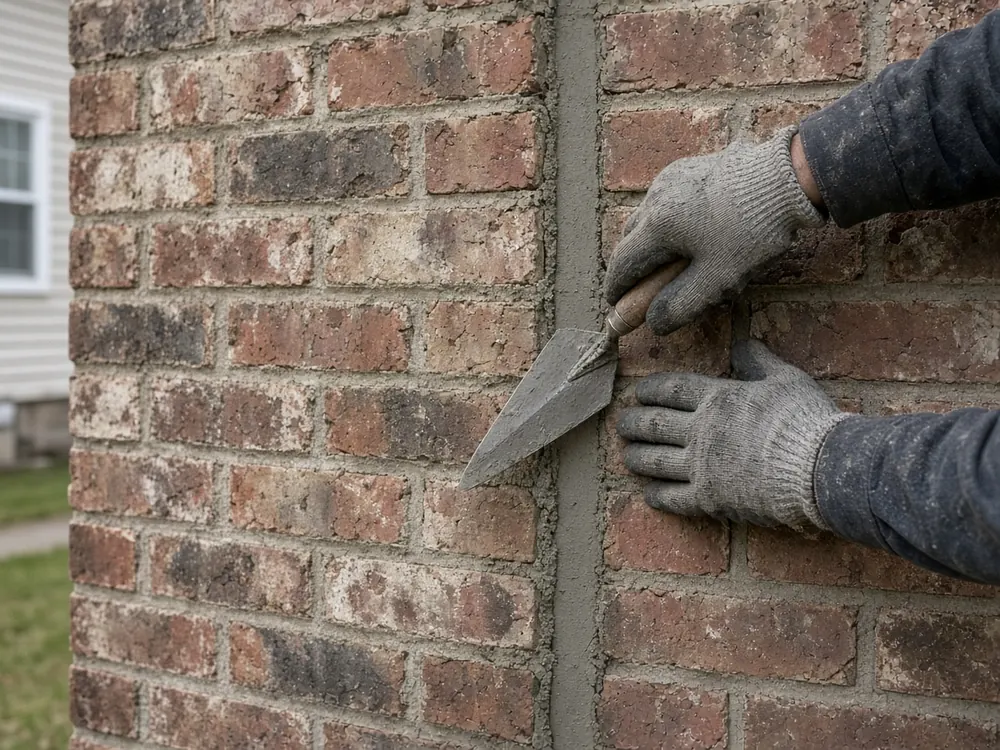
Cut out failed mortar to a sound depth, clean the joint, place compatible mortar, and tool it to shed water. Replace broken brick when the unit itself has failed.
What you get from the form
A clear conversation about scope — not a mystery package. Share photos in your notes when you can; we follow up about a free estimate for your address.
Services
Masonry services for Columbus homes
Same kinds of work homeowners ask for when mortar fails, chimneys leak, or steps settle — explained in plain language.
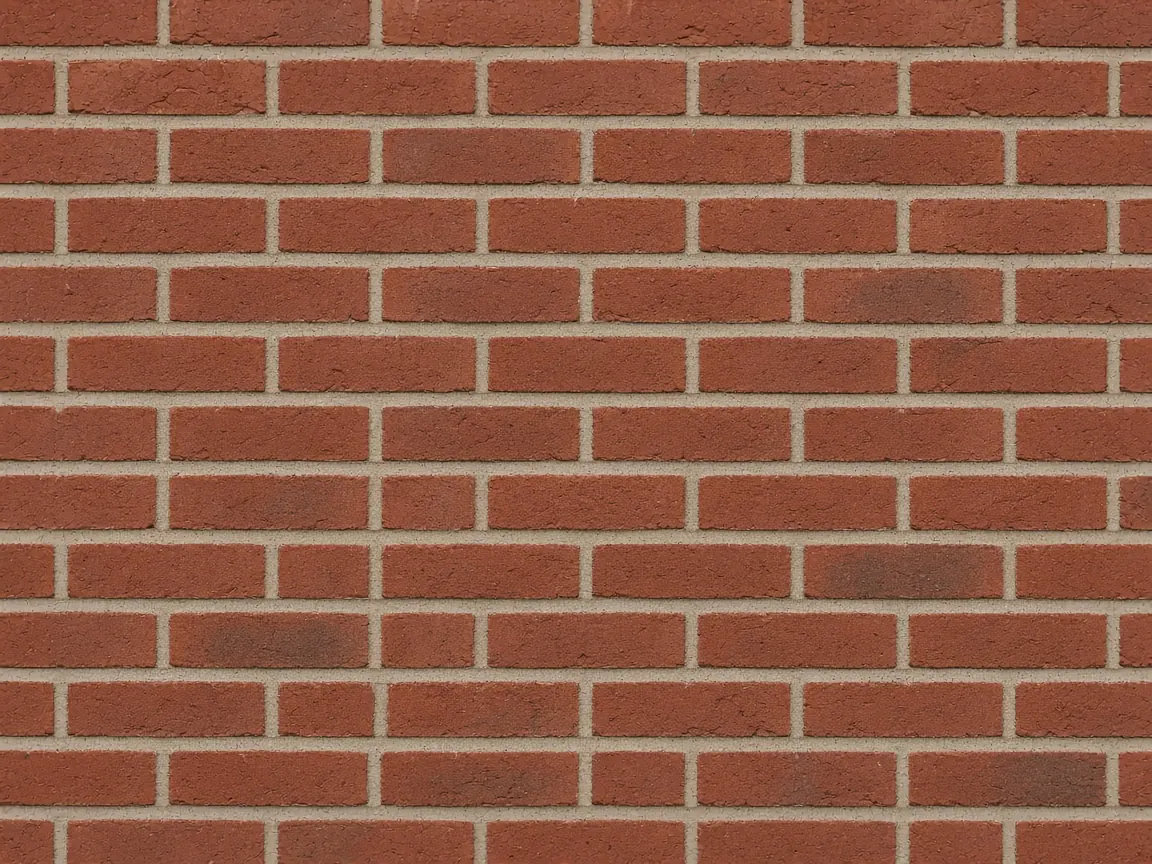
Tuckpointing
Replace failing mortar joints before freeze-thaw opens larger paths for water.
Learn more →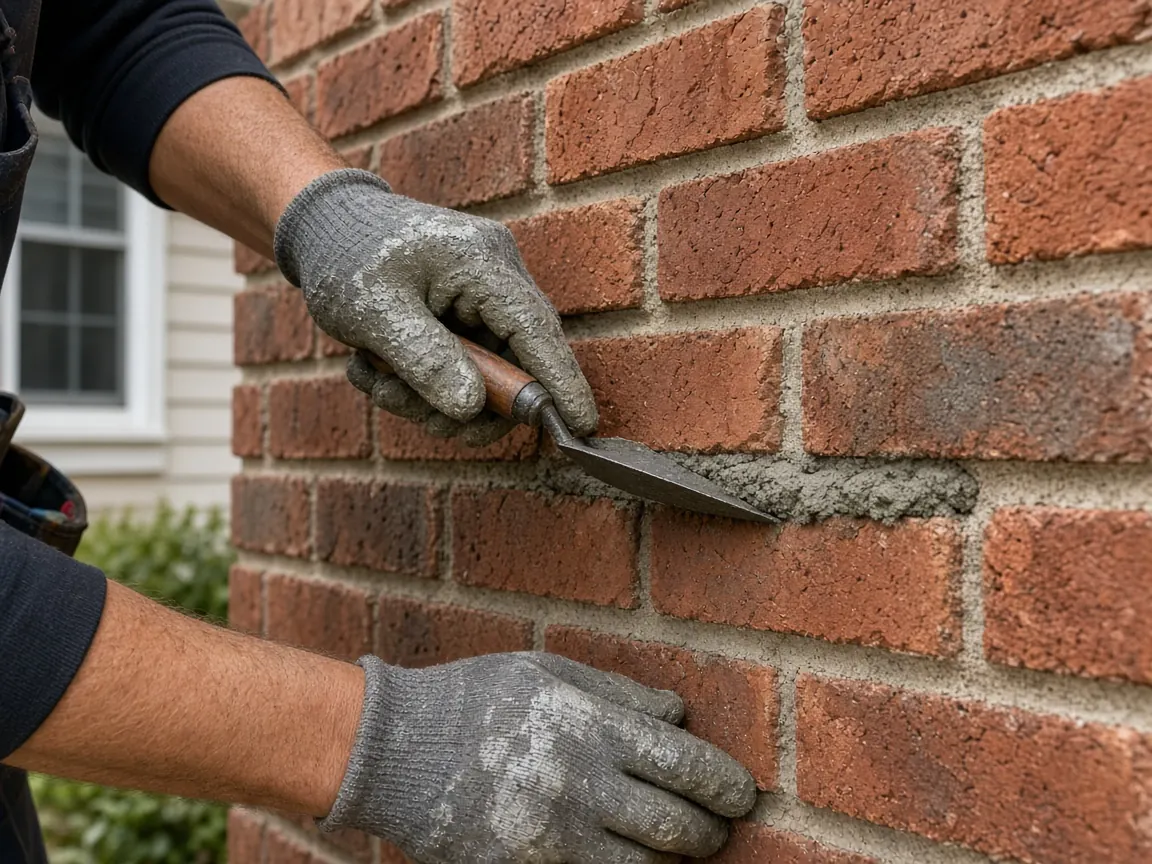
Brick Repair & Replacement
Remove damaged brick units and rebuild with matched brick and compatible mortar.
Learn more →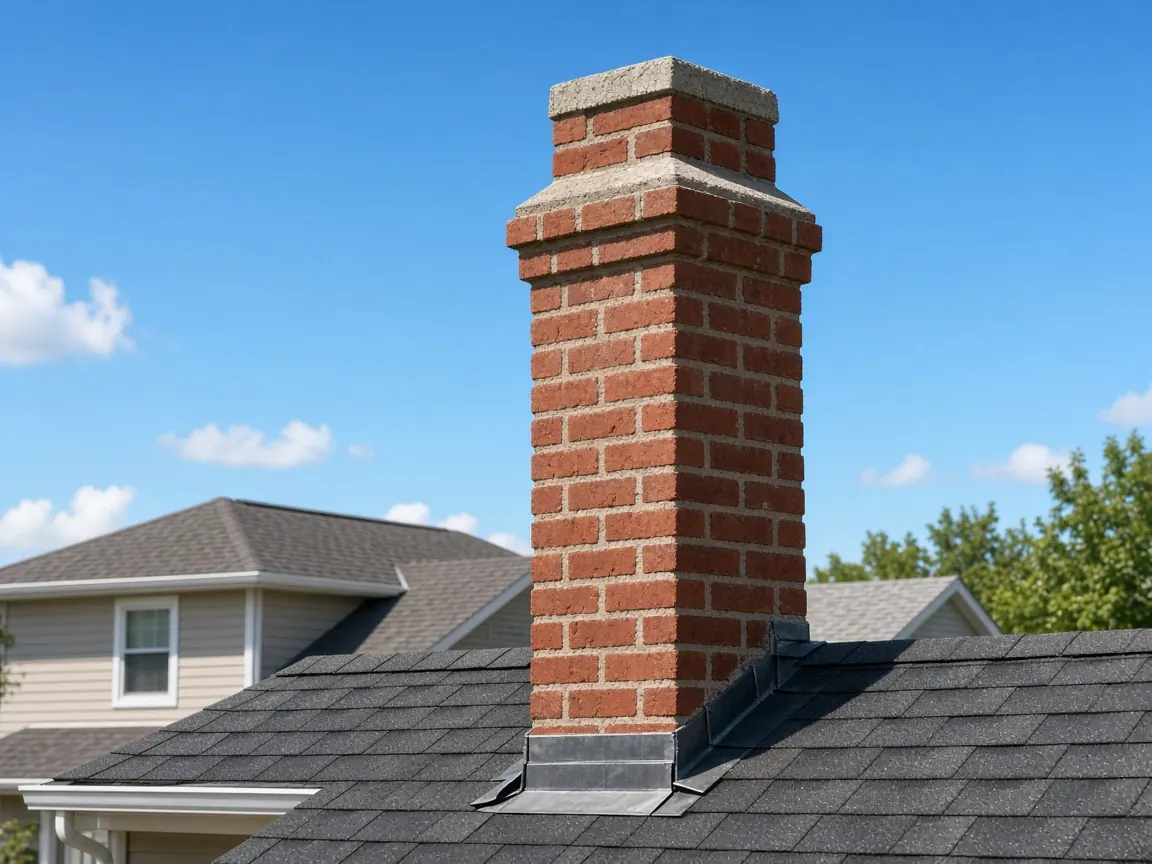
Chimney Repair
Crown, flashing-adjacent masonry, and brick rebuilds that stop roof-line leaks.
Learn more →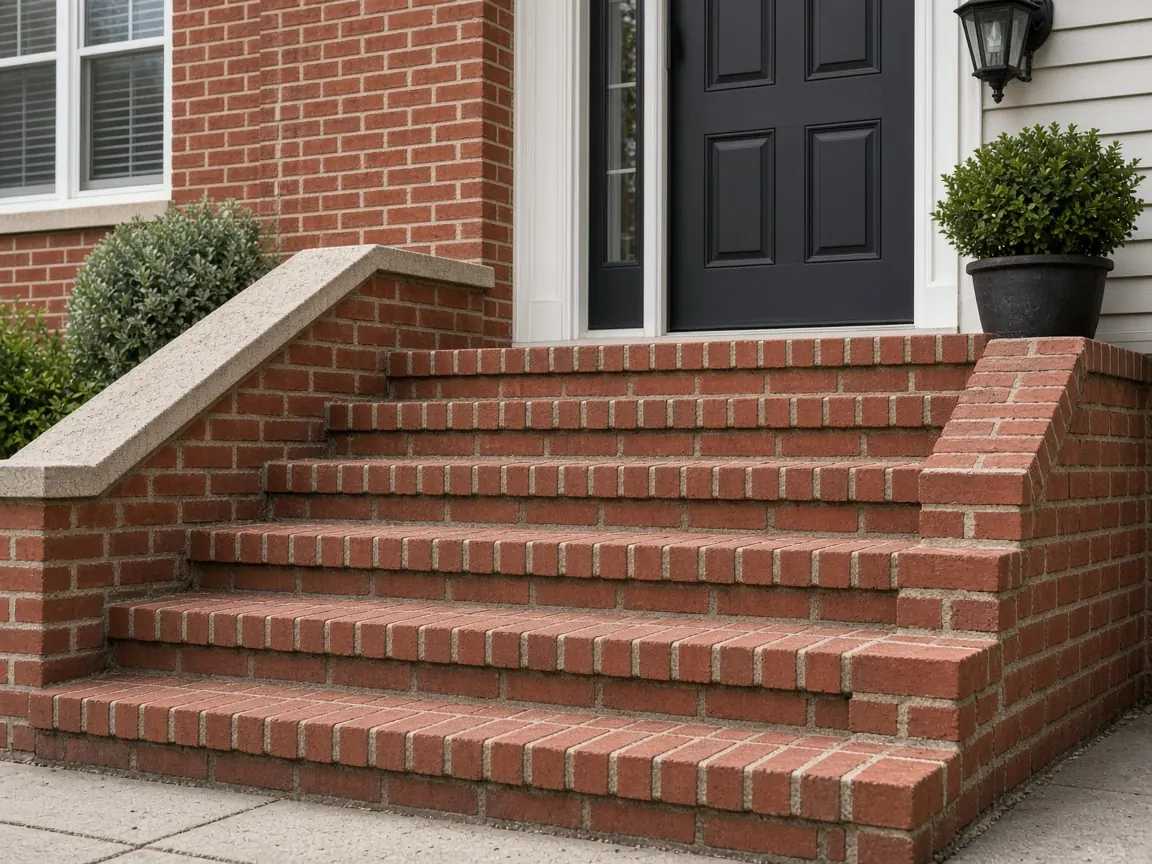
Masonry Steps & Stoops
Rebuild cracked brick and stone entry steps so they drain and stay solid underfoot.
Learn more →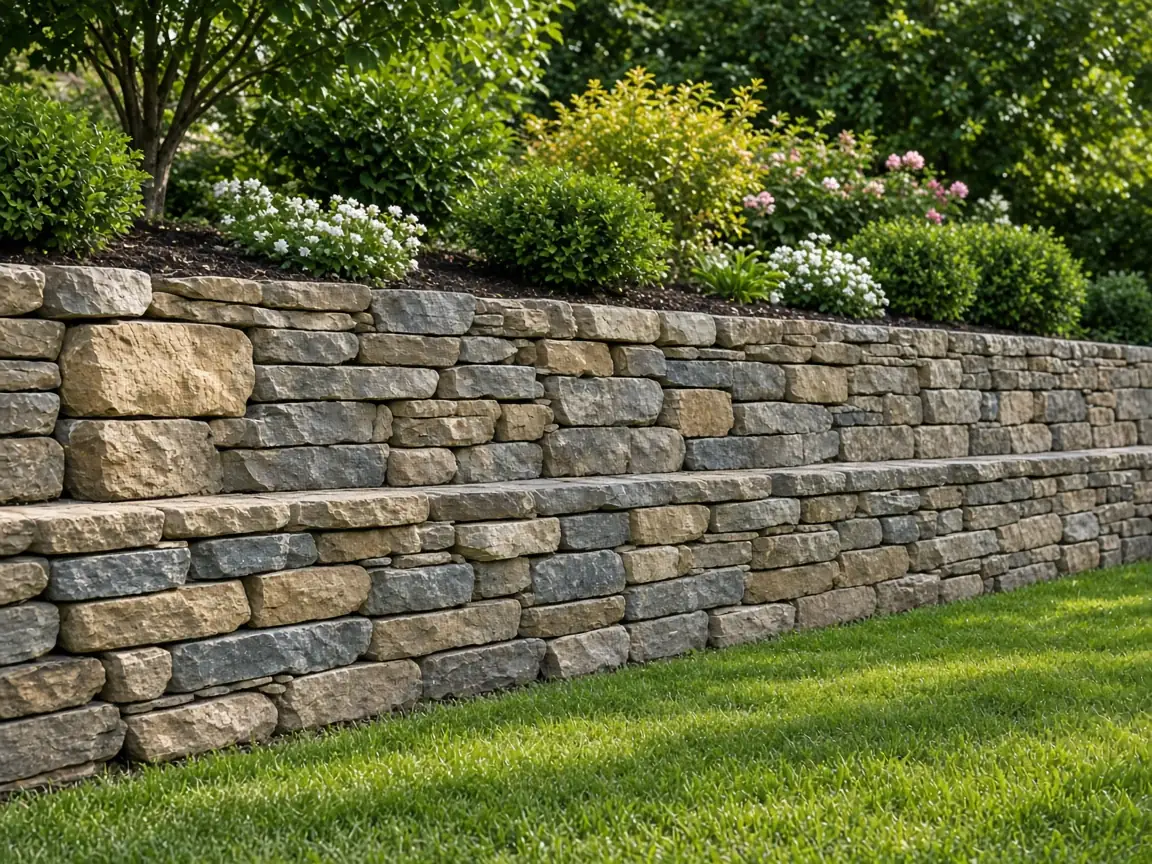
Retaining Walls
Repair and rebuild failing stone or brick retaining walls that hold grade.
Learn more →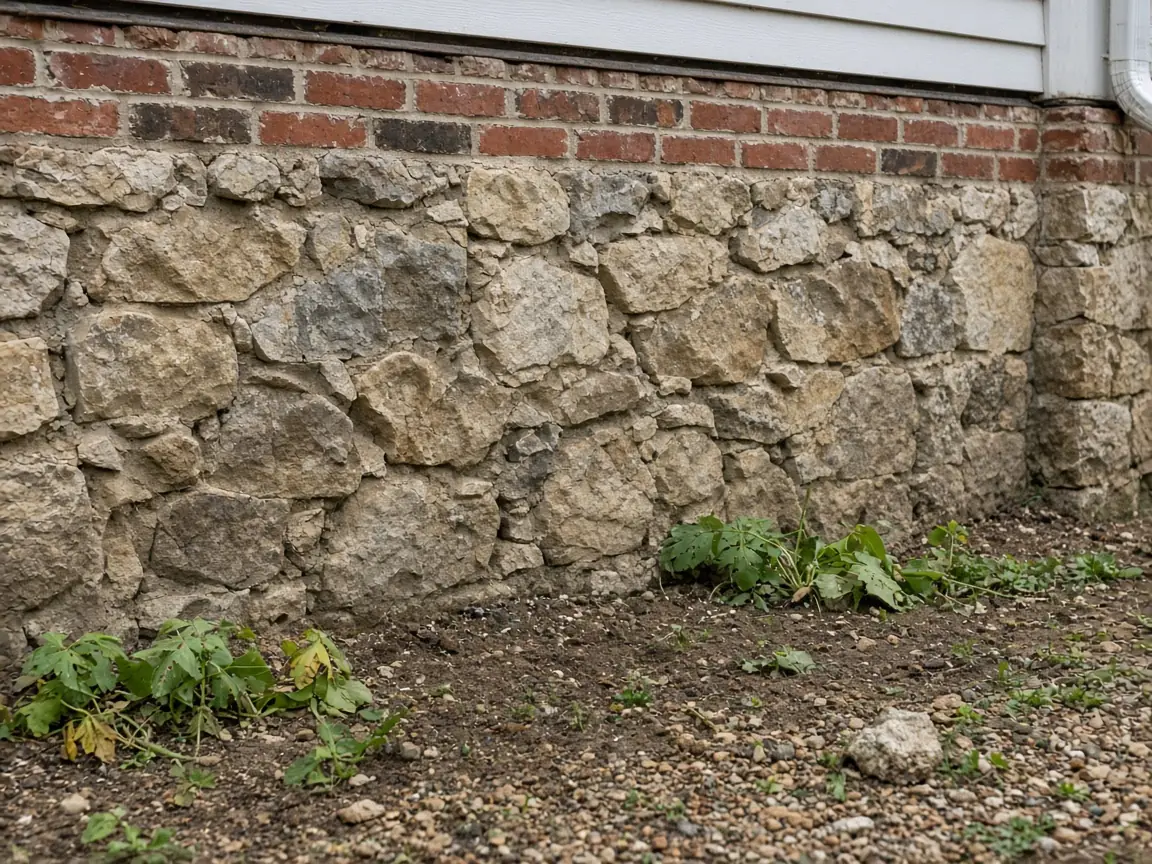
Foundation & Stone Wall Repair
Masonry repairs on exposed foundation walls and above-grade stone assemblies.
Learn more →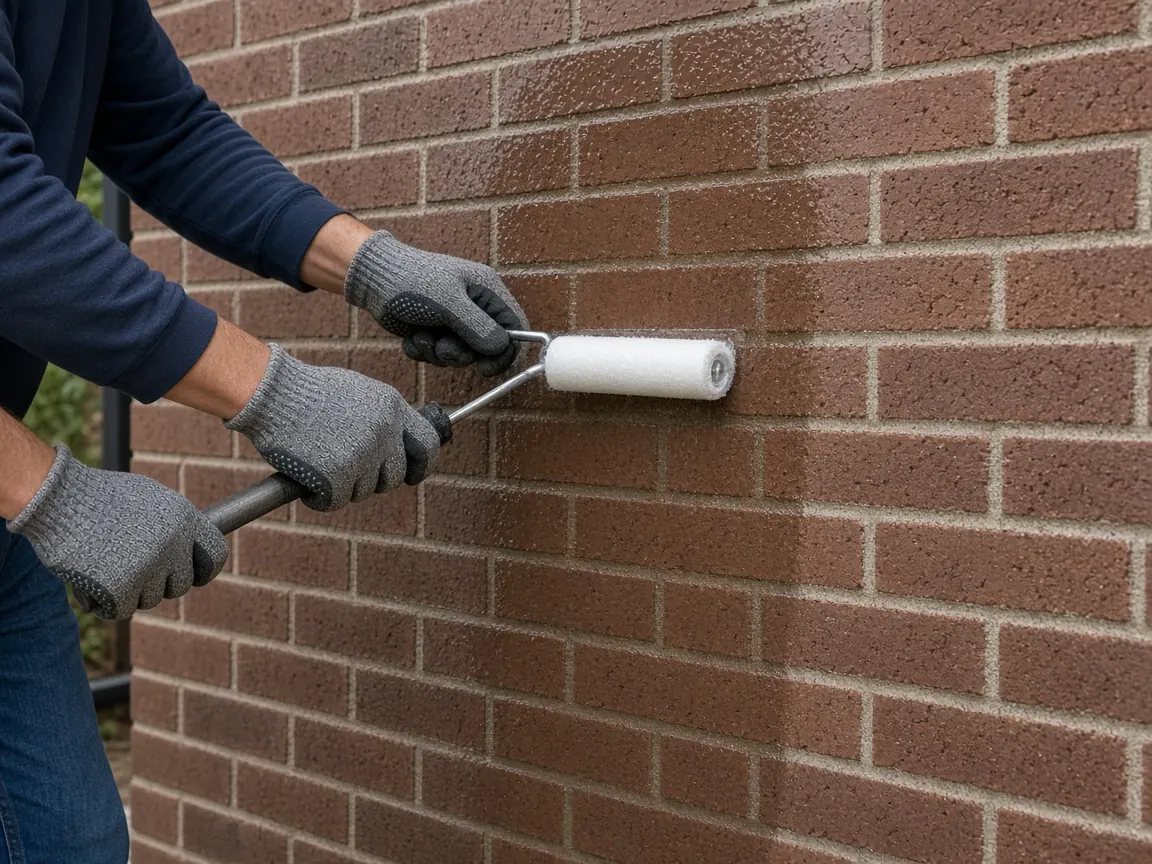
Masonry Waterproofing & Sealing
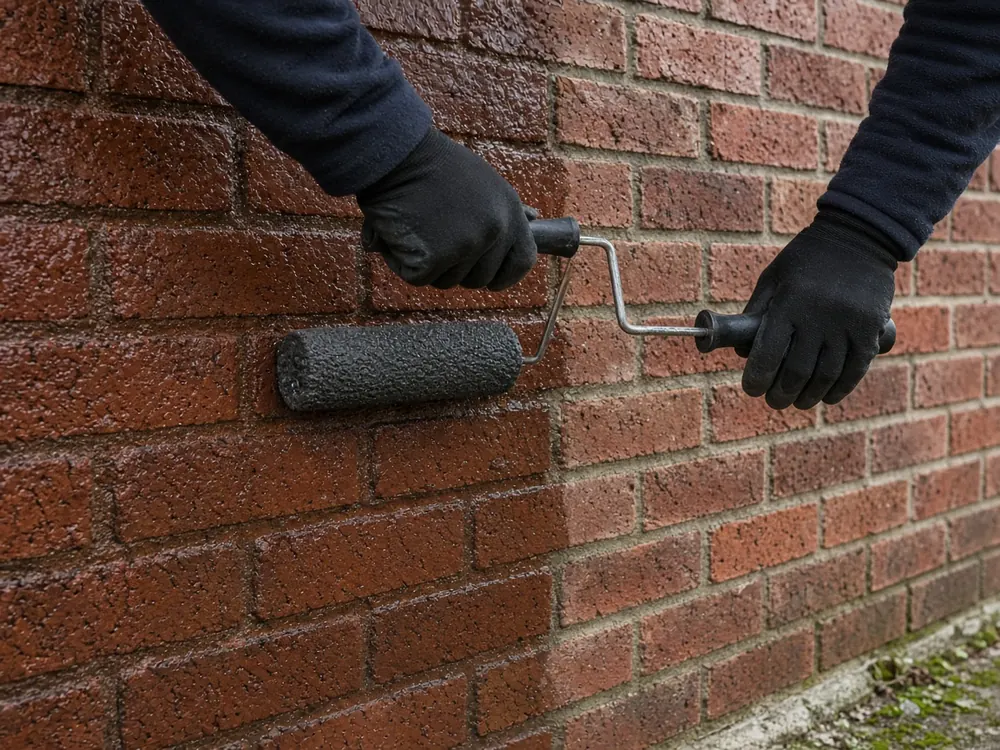
Seal open joints and apply masonry-compatible water repellents after repairs.
Learn more →Ohio winters
Why freeze-thaw wrecks brickwork
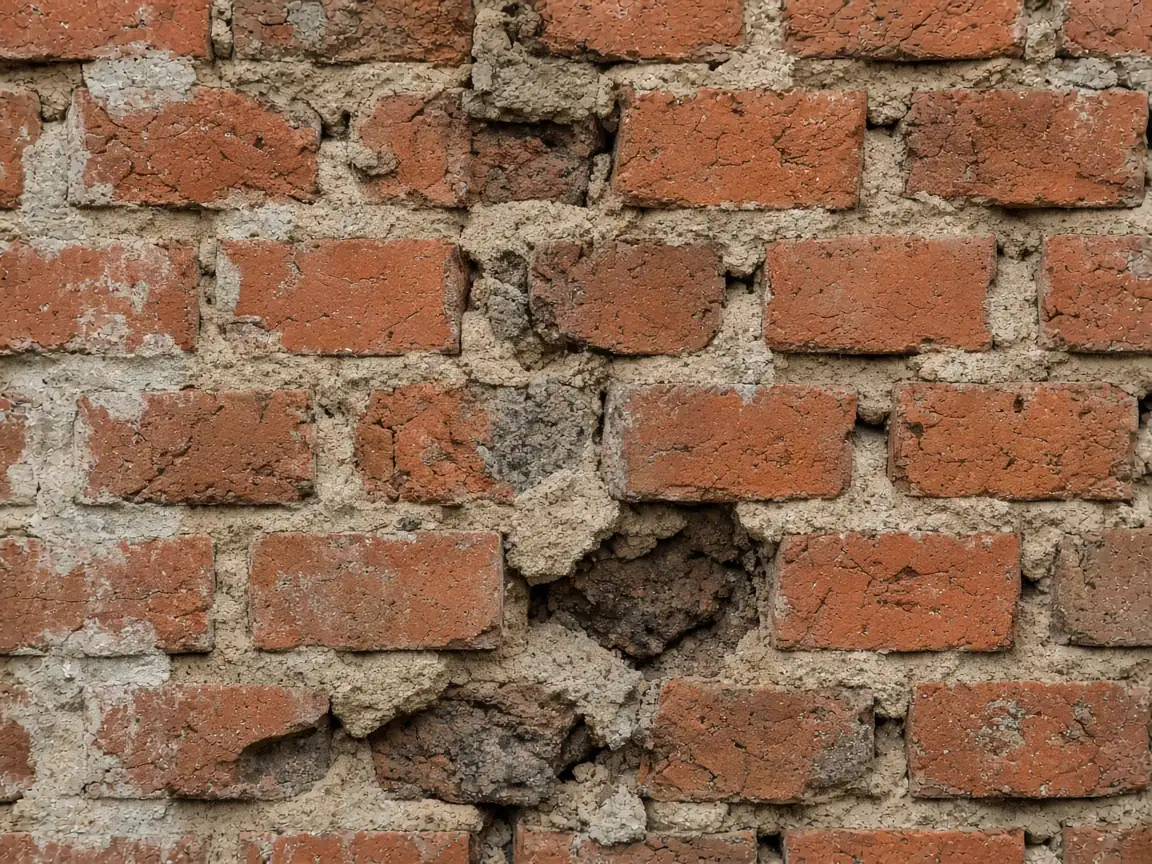
Water slips into hairline cracks and soft joints. When temperatures drop, that water expands. The cycle repeats until mortar washes out, brick faces spall, and leaks show up inside. Central Ohio gets enough wet freeze events each year that small joint failures become wall failures if they are ignored.
- Chimneys and parapets take the most weather
- North and shaded walls stay wet longer
- Salt at stoops and walks accelerates surface damage
- Hard modern mortar on soft old brick can trap moisture
Homeowner checklist
Signs your masonry needs attention
You do not need a contractor vocabulary to spot trouble. Walk the elevations after a hard freeze or a heavy rain and look for the patterns below. Catching joint failure early is cheaper than rebuilding a chimney or stoop later.
On the walls
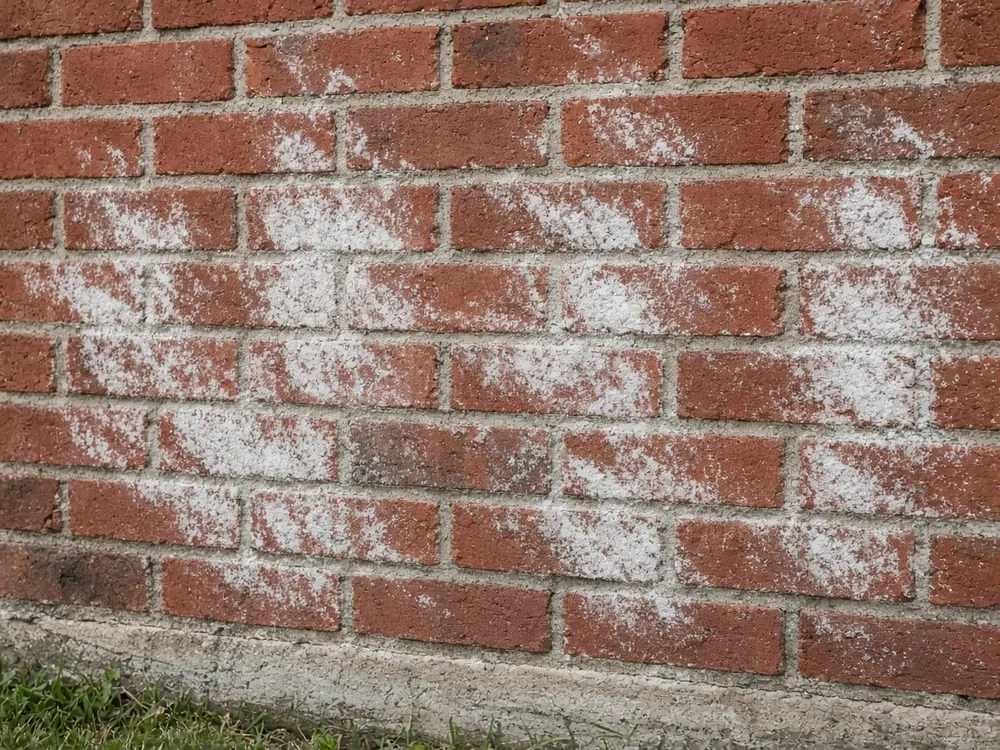
Mortar that sands off on your finger, joints recessed more than a fingernail, hairline cracks stepping through brick, white mineral stains (efflorescence), or damp interior drywall on a brick elevation. Soft historic brick with rock-hard gray patches is another clue that a past repair may be trapping moisture.
At chimneys and tops
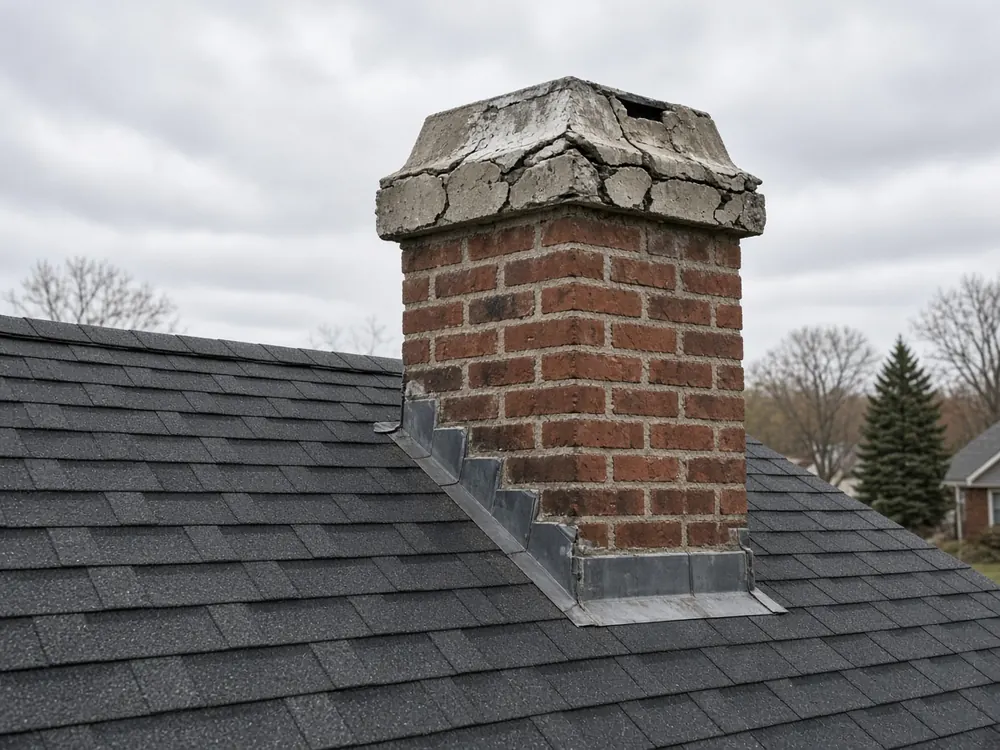
Crown cracks that hold water, missing brick at the top courses, rust streaks below the stack, or a musty smell in the attic after storms. Chimneys fail in plain sight because they take weather from every side.
At grade and entries
Stoops that tip toward the door, open joints in cheek walls, retaining walls that lean or show daylight through the face, and soil or mulch piled against brick above the original grade line.
What to put in your notes
Which side of the house, roughly how many square feet of wall or how many steps, whether you see active leaking, and any access limits (fences, plantings, steep roofs). Photos mentioned in the notes help us prepare before a visit.
Materials & climate
Mortar that respects Ohio brick
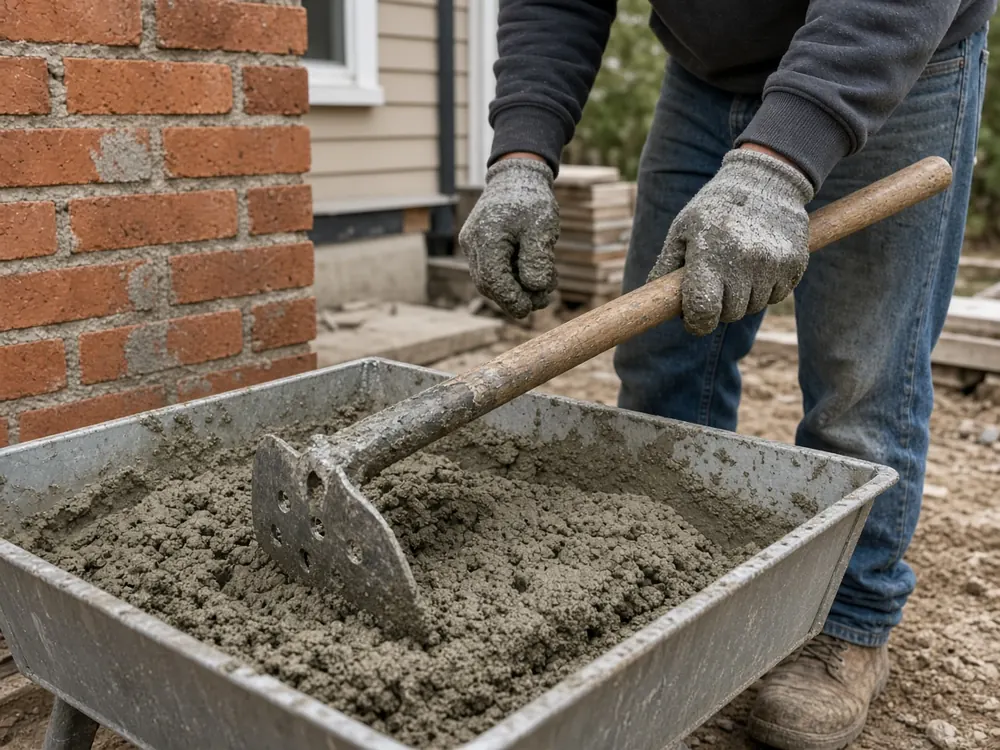
Not every bag of mortar belongs on every wall. Soft older brick can be damaged by mixes that are too hard and too dense — they trap moisture and push freeze-thaw stress into the brick face. Newer veneer may need a different joint profile and strength. We talk about compatibility in plain terms during the estimate: what failed, why it likely failed, and what replacement joint makes sense for that elevation.
Central Ohio humidity and winter wet-freeze cycles reward walls that can dry. That is why sealing comes after repairs, why crowns need pitch, and why stoops need to drain away from the threshold. Cosmetic smears over open joints do not change those physics.
If your home mixes brick, stone, and painted accents, say so on the form. Mixed assemblies often need more than one detail, and honest scoping starts with what is actually on the house.
Process
How a typical repair moves
Describe the issue
Send the estimate form with location, symptoms, and any useful detail about access or timing.
On-site look
We review the masonry in person so mortar, brick, and drainage can be judged together.
Scoped estimate
You get a clear description of the repair — joints, units, crown, steps, or wall — not vague buzzwords.
Repair & cleanup
Failed material comes out, sound mortar goes in, and the work area is left tidy when the job wraps.
Gallery
Masonry repair we handle
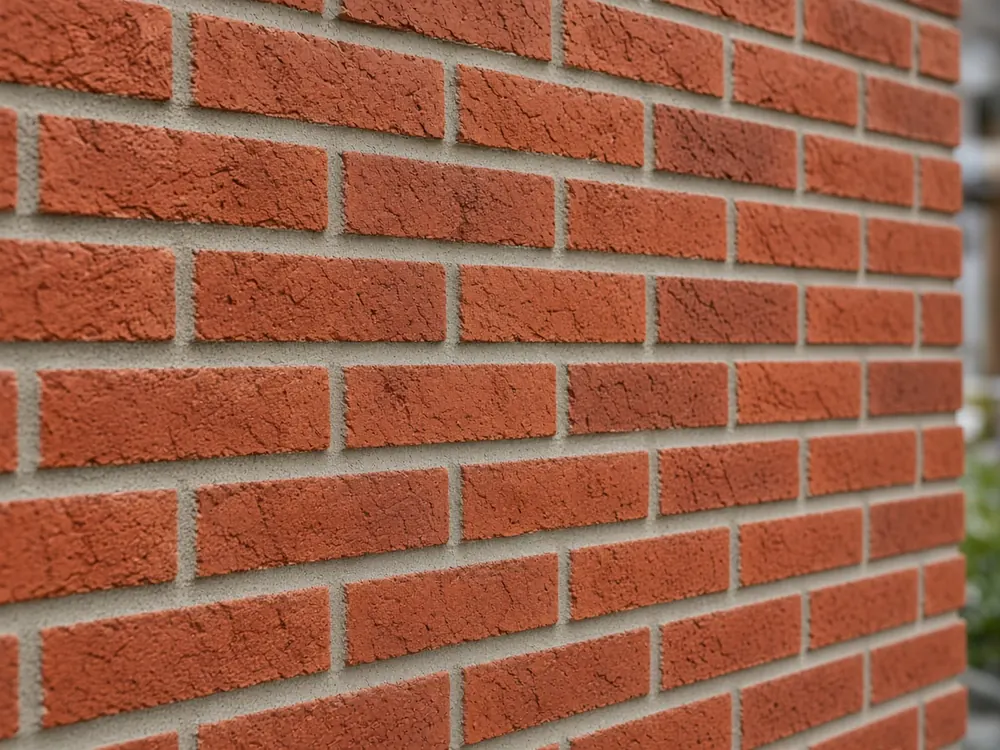
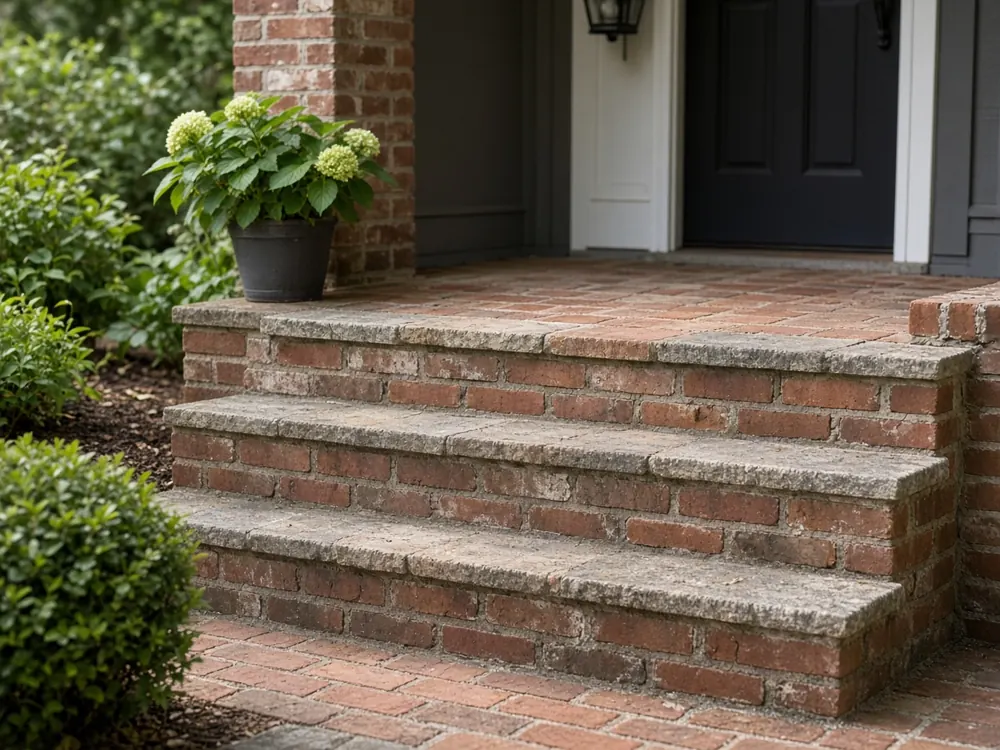
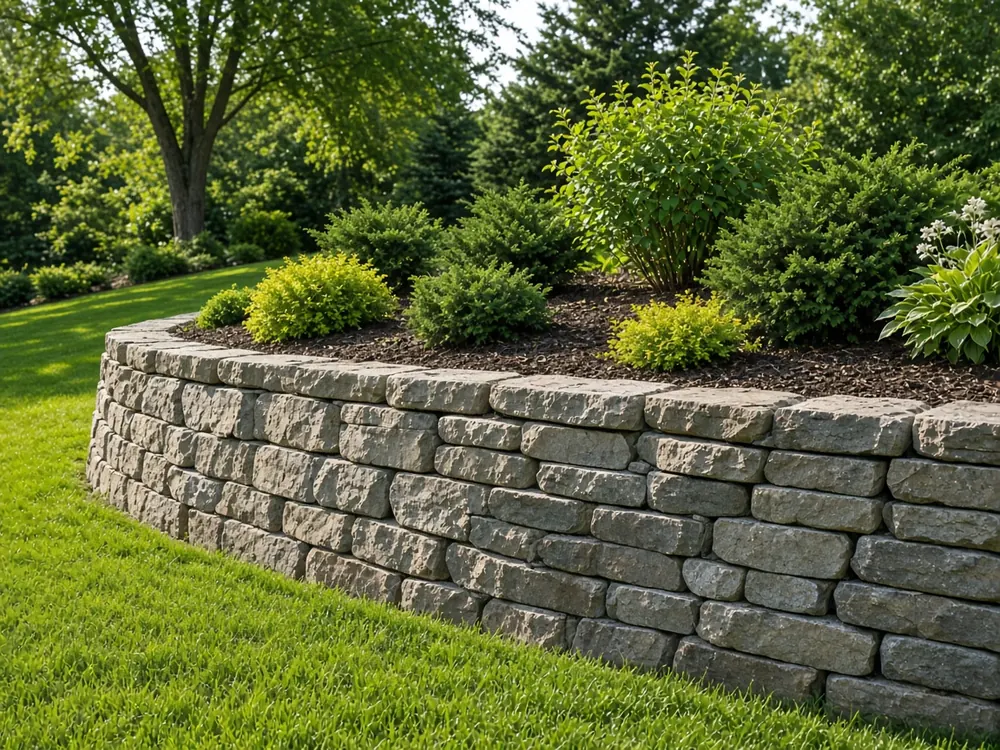
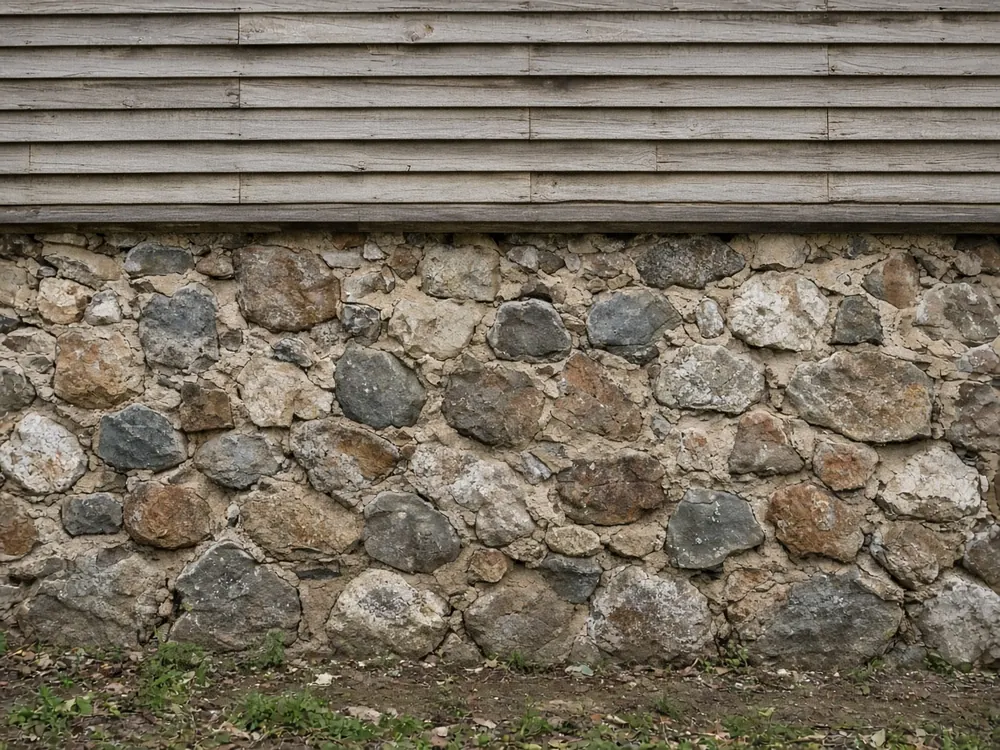
Generic examples of the brick and stone work this site covers — not labeled as a specific customer's project.
Scope honesty
What this site will and will not claim
We describe the work
Service pages explain tuckpointing, brick replacement, chimney masonry, steps, retaining walls, foundation stone repair, and sealing. City pages talk about local climate patterns and typical failure modes — not fabricated case studies.
We skip fake trust props
You will not find review carousels with invented counts, star ratings, license numbers, insurance badges, warranties, awards, association logos, or a founder biography. Those elements appear on many competitor sites; they are omitted here on purpose.
Estimates stay grounded
Masonry pricing depends on access, height, joint depth, brick availability, and how far freeze-thaw has already progressed. A short form gets the conversation started; an on-site look turns that into a scoped estimate.
Phone coming soon
Erik will publish a tracking number shortly. The header and CTAs already have a single phone config — when it is filled in, call links appear automatically. Until then, use the estimate form.
Service area
Where we work in central Ohio
Columbus and nearby communities. Dedicated pages for the cities below; we also serve Pickerington, Hilliard, Grove City, New Albany, and Upper Arlington. If you are just outside these towns, still send the form — note your city in the selector or in the project notes.
Brick ranches, two-stories with partial veneer, chimneys on Cape-style roofs, and garden retaining walls all show up across this metro. The repair details change with the assembly; the climate pressures do not. Water, freeze, thaw, repeat.
FAQ
Questions homeowners ask
What masonry services do you offer in the Columbus area?
Tuckpointing, brick repair and replacement, chimney repair, masonry steps and stoops, retaining walls, foundation and stone wall masonry repair, and masonry waterproofing and sealing. See each service page for details.
Which cities do you serve?
Columbus and the metro including Blacklick, Reynoldsburg, Gahanna, Pickerington, Westerville, Dublin, Hilliard, Grove City, New Albany, and Upper Arlington. City pages cover Columbus, Blacklick, Reynoldsburg, Gahanna, Westerville, and Dublin.
How do I request an estimate?
Use the form on this site (name, phone, and project notes are required). We follow up about your masonry project. A phone number will be added to the site soon.
Why do mortar joints fail in central Ohio?
Water enters soft or cracked joints, freezes, and expands. Repeated cycles wash out mortar, spall brick faces, and open larger leak paths — especially on chimneys, parapets, and walls that stay wet.
Do you invent reviews or ratings on this site?
No. This site does not display review widgets, star ratings, license numbers, warranties, or years-in-business claims. We describe the work and the process plainly.
What should I include in my project notes?
Describe the symptom (crumbling mortar, leaning wall, chimney leak, cracked steps), the elevation or area of the house, and any photos you can mention. That helps us prepare for the conversation.
Will someone need to visit my home?
Most masonry estimates need a look at the wall, chimney, or steps in person so mortar, brick condition, and access can be judged accurately. The form starts that process.
Do you work on retaining walls and stoops as well as brick walls?
Yes. Retaining walls, brick and stone stoops, chimneys, and foundation-adjacent masonry are all in scope when the issue is masonry repair — not unrelated trades.